Introduction
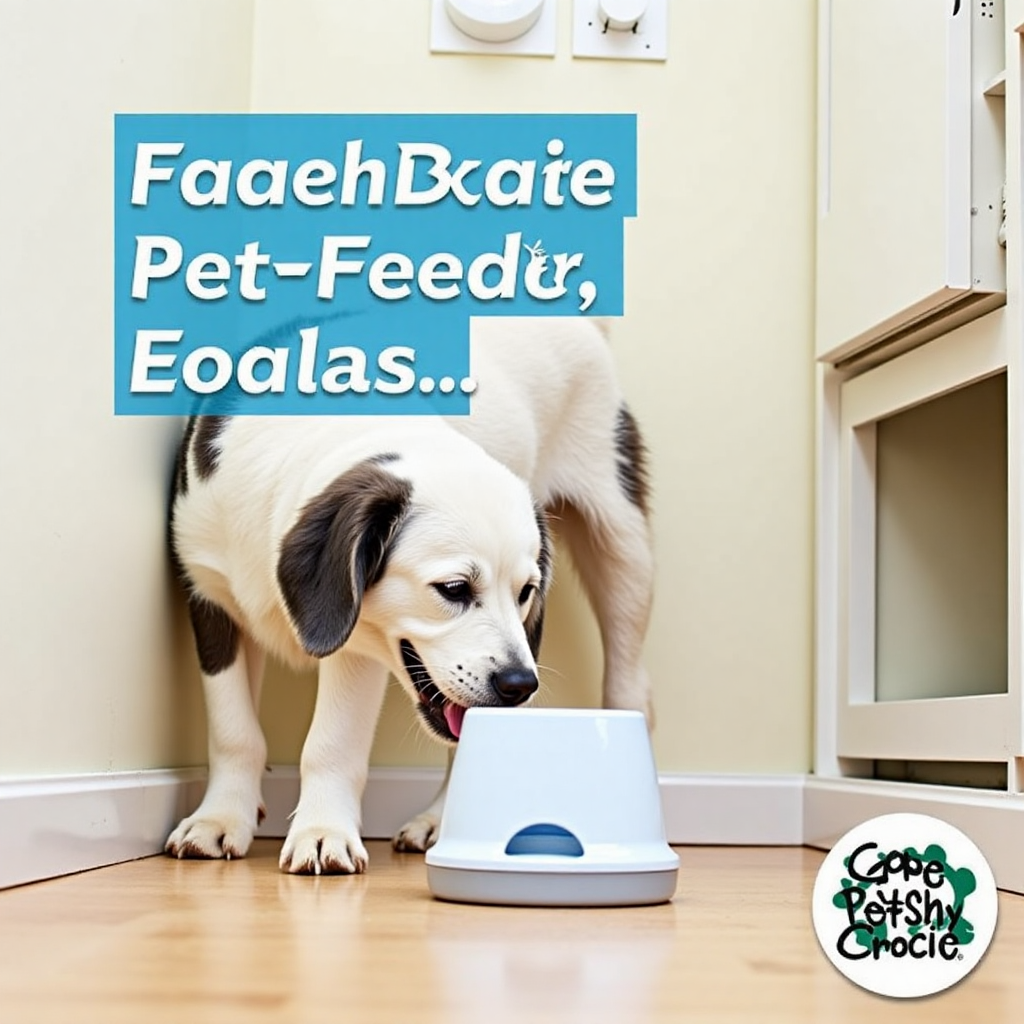
If you share your home with a dog, cat, or even a small herd of furry companions, you already know that mealtime is one of the most important parts of the day. It shapes your pet’s health, energy, behavior, and overall routine. But modern life is busy. Between work schedules, school runs, travel, and unexpected delays, sticking to a precise feeding schedule can be incredibly difficult. That is exactly why so many pet parents are searching for the best automatic pet feeder to bring consistency, convenience, and peace of mind to their daily lives.
An automatic pet feeder is more than just a gadget. It is a practical tool that can help prevent overeating, manage weight, support veterinary feeding plans, and reduce anxiety for pets who thrive on routine. Whether you have a food-obsessed Labrador, a finicky cat who prefers small frequent meals, or a multi-pet household where one pet steals another’s food, the right feeder can solve real problems. However, not all automatic feeders are created equal. The market is packed with gravity feeders, programmable digital models, smart Wi-Fi feeders, and even microchip-activated devices. Choosing the best automatic pet feeder requires understanding your pet’s unique needs and knowing which features genuinely matter.
In this comprehensive guide, we will walk you through everything you need to know. You will learn why automatic feeders are worth the investment, what key features separate a great feeder from an average one, how to choose the right type for your pet, and how to maintain it for long-term use. By the end, you will feel confident selecting a feeder that keeps your pet happy, healthy, and fed on time, even when life gets chaotic.
Why Invest in an Automatic Pet Feeder?
Many pet owners initially view automatic feeders as a luxury item. But once you understand the benefits, it becomes clear that for many households, the best automatic pet feeder is a genuine necessity. The most obvious advantage is schedule consistency. Dogs and cats are creatures of habit. They quickly learn when to expect food, and irregular feeding times can cause stress, digestive issues, and unwanted behaviors like begging, counter-surfing, or early morning wake-up calls. An automatic feeder dispenses meals at the exact same time every day, even if you are stuck in traffic or oversleep.
Another major benefit is portion control. Pet obesity is one of the most common health problems seen by veterinarians today. Overfeeding, free-feeding, and inconsistent portion sizes contribute to weight gain, diabetes, joint stress, and reduced lifespan. The best automatic pet feeder allows you to measure precise portions and schedule them throughout the day. This removes the guesswork and prevents the “just a little more” trap that many loving pet parents fall into. For pets on weight management plans or prescription diets, this level of control is invaluable.
Automatic feeders also improve daily convenience. If you work long hours, travel frequently, or simply want to sleep in on weekends without being awakened by a hungry cat, a reliable feeder gives you freedom. Many smart feeders now connect to your home Wi-Fi and let you schedule, monitor, and dispense meals from a smartphone app. This is especially helpful for pet sitters or family members who may need to feed your pet while you are away. Instead of leaving vague instructions, you can control everything remotely and receive notifications when meals are dispensed.
Key Features to Look For in the Best Automatic Pet Feeder
Before you click “buy” on the first feeder you see, it is important to understand which features actually matter. The best automatic pet feeder for one household may be completely wrong for another. By focusing on the following features, you can narrow down your options and make a smart investment.
1. Meal Capacity and Portion Accuracy
Feeder capacity is measured by how much dry food the hopper can hold. Small feeders may hold only a few cups, while large models can store up to 20 or more cups of kibble. If you have a large dog or multiple pets, a larger capacity reduces how often you need to refill. But capacity alone is not enough. Portion accuracy is equally important. Look for feeders that allow you to program portion sizes in precise increments, such as 1/8 cup or 10 grams per meal. Some budget feeders have vague portion settings that can vary, which can be a problem for pets on strict diets. Read reviews to see if the dispenser consistently delivers the amount it promises.
2. Flexible Scheduling and Meal Frequency
The ability to schedule multiple meals per day is a core feature. Most quality feeders allow anywhere from 2 to 12 meals daily. This is particularly important for cats, who naturally prefer several small meals rather than one or two large ones. Dogs with sensitive stomachs or medical conditions such as bloat risk may also benefit from smaller, more frequent meals. The best automatic pet feeder should let you set different portion sizes for each meal, not just the same amount every time. This flexibility allows you to match your pet’s exact dietary needs.
3. Power Source and Backup Battery
One of the biggest fears pet owners have is a feeder losing power while they are away. A high-quality feeder should run on wall power but include a battery backup option. If the electricity goes out, the backup batteries should keep the scheduled meals running. Some advanced feeders use rechargeable batteries, while others require standard D-cell or AA batteries. Always check the expected battery life. The best automatic pet feeder will not let a power outage leave your pet hungry. This feature is absolutely essential if you travel frequently or live in an area prone to storms.
4. Food Type Compatibility
Most automatic feeders are designed for dry kibble only. The kibble size and shape matter because the dispensing mechanism must be able to handle it without jamming. If your pet eats a large-breed kibble, check the manufacturer’s specifications to ensure the feeder can accommodate larger pieces. For wet or raw food, you will need a different type of feeder with ice packs or refrigeration, and these tend to be more expensive and less common. The best automatic pet feeder for dry food should have a reliable anti-jam design, especially if you use kibble with irregular shapes or high fat content that can clump.
5. Ease of Cleaning and Maintenance
Pet feeders come into contact with food every single day, so hygiene is critical. Oils from kibble can build up, bacteria can grow, and old food particles can contaminate fresh meals. Look for a feeder with a removable food hopper, stainless steel or BPA-free plastic bowl, and smooth surfaces that are easy to wipe down. Some feeders have dishwasher-safe components, which makes cleaning much more convenient. If a feeder is difficult to disassemble, you are less likely to clean it as often as you should. The best automatic pet feeder combines functionality with easy maintenance to keep your pet’s meals safe and fresh.
6. Smart Features and Connectivity
Smart feeders have become increasingly popular, and for good reason. These devices connect to your home Wi-Fi and pair with a smartphone app, allowing you to control feeding from anywhere. You can dispense a meal manually, adjust portion sizes, review feeding logs, and receive alerts when the hopper is low or a meal is dispensed. Some smart feeders even include a built-in camera and two-way audio, so you can see and talk to your pet during mealtime. While these features are not essential for everyone, they greatly enhance peace of mind for pet parents who travel or work long hours. The best automatic pet feeder in the smart category should have a stable app, intuitive controls, and reliable notifications.
Types of Automatic Pet Feeders
Understanding the different categories of automatic feeders will help you decide which style is right for your home. Each type has strengths and weaknesses, and the best automatic pet feeder for you depends on your pet’s behavior, health, and your daily routine.
Gravity Feeders
Gravity feeders are the simplest and most affordable option. They consist of a large food reservoir that sits on top of a bowl. As your pet eats, more kibble falls down from the hopper to replenish the bowl. This type of feeder requires no electricity, no programming, and very little maintenance. However, gravity feeders offer no portion control. They are essentially free-feeding devices, which makes them a poor choice for pets who overeat or need strict meal management. A gravity feeder may work for a highly active dog who self-regulates, but for most indoor cats and food-motivated dogs, it is not the best automatic pet feeder choice.
Programmable Digital Feeders
Programmable digital feeders are the most common type of automatic pet feeder. They use a timer and motorized dispensing mechanism to release a set amount of food at scheduled times. Most models run on both wall power and battery backup, and many can hold several days’ worth of dry kibble. These feeders are excellent for portion control and routine feeding. They range from basic models with simple buttons to more advanced units with digital displays and multiple meal settings. For the majority of pet owners, a reliable programmable digital feeder is the best automatic pet feeder because it balances affordability, functionality, and ease of use.
Smart Wi-Fi Feeders
Smart feeders take programmable feeders to the next level by adding internet connectivity. Through a smartphone app, you can control feeding schedules from anywhere in the world. This is especially useful for pet parents who work unpredictable hours or travel often. Some smart feeders include voice recording capabilities, so your pet hears your voice calling them to eat, and high-end models feature cameras, night vision, and treat tossing. While smart feeders are more expensive, they offer unmatched flexibility and monitoring. If you want to know exactly when your pet was fed and have the ability to adjust meals remotely, a smart Wi-Fi feeder may be the best automatic pet feeder for your lifestyle.
Microchip and RFID Feeders
Microchip or RFID feeders are designed for multi-pet households where one pet steals another pet’s food. These feeders work by reading a pet’s microchip or a special RFID collar tag. The food bowl lid only opens for the designated pet, keeping other animals out. This is a game-changer for homes with a greedy dog and a slow-eating cat, or for cats on different prescription diets. These feeders are typically more expensive and require some training, but they solve a very specific and serious problem. If food theft or dietary separation is your main concern, the best automatic pet feeder for you may not be a timer-based model at all, but rather a microchip-activated bowl.
How to Choose the Best Automatic Pet Feeder for Your Pet
Choosing the right feeder involves more than just comparing prices. You need to think about your pet’s size, eating habits, health conditions, and your own daily schedule. Start by asking yourself a few key questions. Does your pet need to lose weight? Does your pet eat too fast? Do you have multiple pets with different diets? How often are you away from home during meal times? Your answers will guide you toward the right category and features.
For dogs, size matters. A large breed dog with a big appetite will need a feeder with a generous capacity and sturdy construction. Smaller dogs may do fine with a compact model, but the kibble dispensing mechanism must still handle their specific kibble size. If your dog tends to gulp food, consider pairing the feeder with a slow-feed bowl or choosing a feeder that dispenses small, frequent meals. For cats, meal frequency and portion precision are usually more important than capacity. Cats often prefer eating 4 to 6 small meals per day, so look for a feeder that supports multiple small portions.
For multi-pet households, the challenge is usually preventing one pet from eating another’s food. Standard timer feeders cannot solve this problem because any pet can access the bowl when food is dispensed. In these cases, the best automatic pet feeder is often a microchip or RFID model that only opens for the correct pet. However, if your pets eat the same food and get along well, a shared programmable feeder with a splitter or two bowls can work. Always observe your pets’ behavior during the first few days to ensure everyone is eating their own meals.
Top Benefits of Using the Best Automatic Pet Feeder
Investing in a high-quality automatic feeder can improve your pet’s life in several meaningful ways. Here are the primary benefits you can expect:
- Consistent feeding schedule: Pets thrive on routine, and automatic feeders eliminate the stress of irregular meal times.
- Precise portion control: Accurate portions help prevent obesity and support veterinary dietary recommendations.
- Reduced begging and food anxiety: When food comes from the feeder instead of you, pets often stop pestering you for extra snacks.
- Freedom for pet parents: You can work late, attend events, or travel without worrying about rushing home to feed your pet.
- Better digestion: Smaller, more frequent meals can improve digestion and reduce vomiting or bloating in some pets.
- Peace of mind: Smart feeders provide real-time feeding alerts and remote control, so you always know your pet has been fed.
Common Mistakes to Avoid When Buying an Automatic Pet Feeder
Even well-meaning pet parents can make mistakes when choosing a feeder. One common error is prioritizing price over reliability. Cheap feeders may have inaccurate portion sizes, jam frequently, or fail without warning. Another mistake is ignoring the kibble size compatibility. If the feeder cannot handle your pet’s kibble, it will jam repeatedly, and your pet may miss meals. Always read the manufacturer’s guidelines and user reviews to confirm that your specific food works well.
Another mistake is failing to consider power backup. A feeder that only runs on wall power is a risk if you are away during a power outage. The best automatic pet feeder should always have a battery backup or a reliable alternative power option. Additionally, many people underestimate the importance of cleaning. If a feeder is hard to disassemble, food residue builds up and can lead to mold, pests, or bacterial contamination. Choose a model that is easy to clean and make a habit of washing the bowl and hopper regularly.
Finally, do not ignore your pet’s personality. Some pets are afraid of the mechanical noise a feeder makes when dispensing food. Others may try to break into the hopper to get extra kibble. If your pet is highly anxious or destructive, introduce the feeder gradually. Place it next to their regular bowl for a few days, then feed them from the empty bowl while the feeder is nearby. This will help them build a positive association and reduce fear or aggression toward the new device.
Maintenance and Hygiene Tips for Automatic Feeders
Proper maintenance is essential to keep your automatic feeder functioning correctly and your pet healthy. Start by unplugging the feeder before cleaning. Remove the hopper, bowl, and any removable parts. Wash them with warm, soapy water and allow them to dry completely before reassembling. Avoid submerging the motorized base in water. Instead, wipe it down with a damp cloth. For smart feeders, be careful around charging ports and electronic components.
How often you clean depends on the type of food you use. Dry kibble leaves oils and crumbs behind, so a thorough cleaning every one to two weeks is a good rule of thumb. If you notice any moisture, mold, or pest activity, clean immediately. Check the dispenser mechanism for stuck kibble pieces and remove them to prevent jams. You should also periodically inspect the power cord for damage and test the battery backup to make sure it still works. A little routine maintenance goes a long way in preserving the life of your best automatic pet feeder.
Final Thoughts on Choosing the Best Automatic Pet Feeder
Finding the best automatic pet feeder is about more than just convenience. It is about giving your pet a healthier, more predictable, and less stressful life. The right feeder ensures that your furry family member is fed on time, in the right amount, and without the anxiety that comes from irregular schedules. Whether you choose a simple programmable model, a high-tech Wi-Fi feeder, or a microchip-activated bowl for a multi-pet home, the key is to match the feeder to your pet’s specific needs and your daily routine.
Take the time to research features such as portion accuracy, meal scheduling flexibility, battery backup, food compatibility, and ease of cleaning. Read customer reviews and pay attention to how the feeder performs over months of use, not just the first week. A well-built automatic feeder can last for years and become an essential part of your pet care system. By investing in the right one, you are not just buying a machine; you are investing in your pet’s long-term health and happiness.
In the end, the best automatic pet feeder is the one that fits seamlessly into your life and reliably delivers every meal. Whether you are managing a busy work schedule, supporting a weight-loss plan, or simply trying to get a little more sleep on weekends, the right feeder makes life better for both you and your pet. Choose wisely, maintain it well, and enjoy the peace of mind that comes from knowing your companion will never miss a meal again.